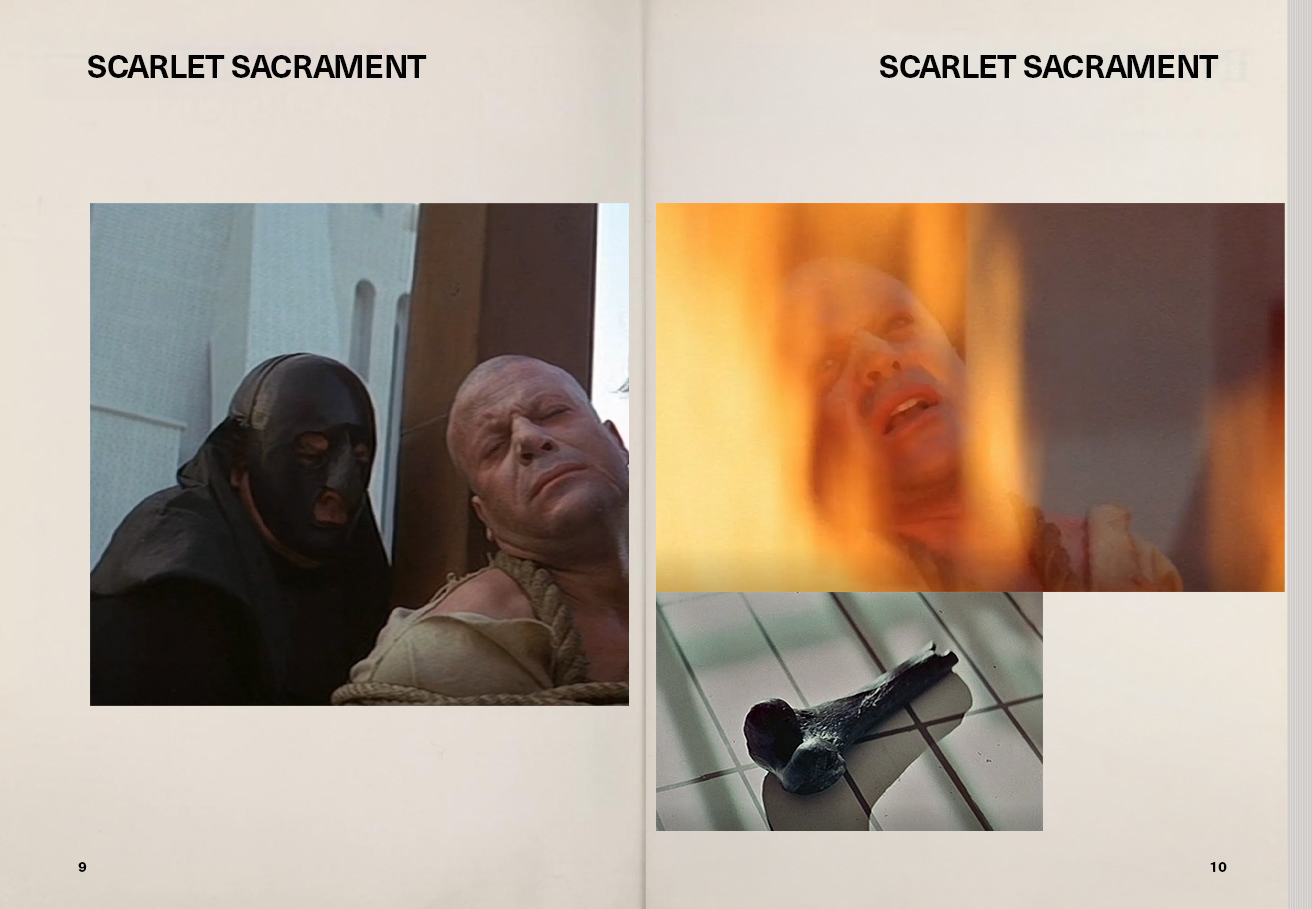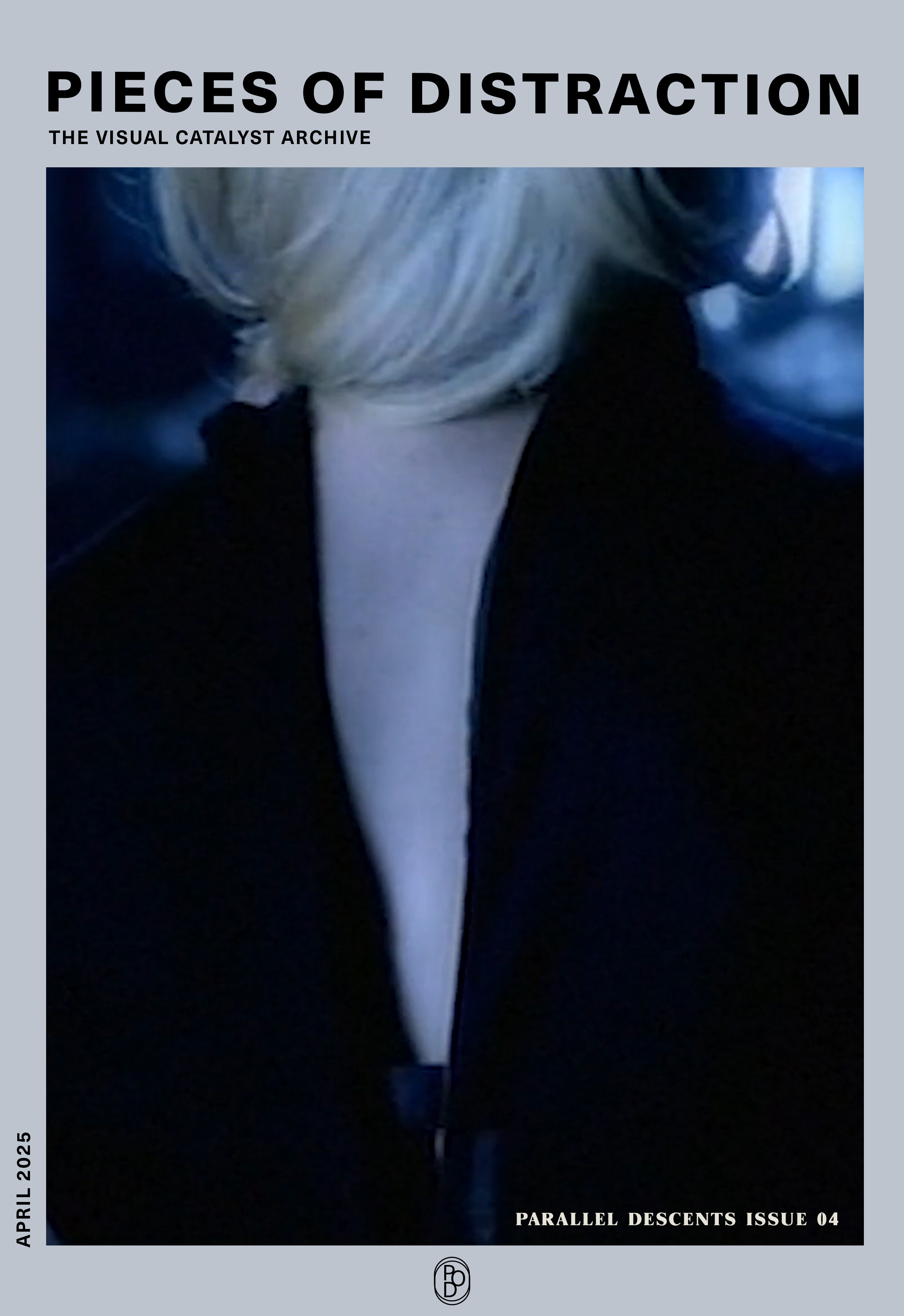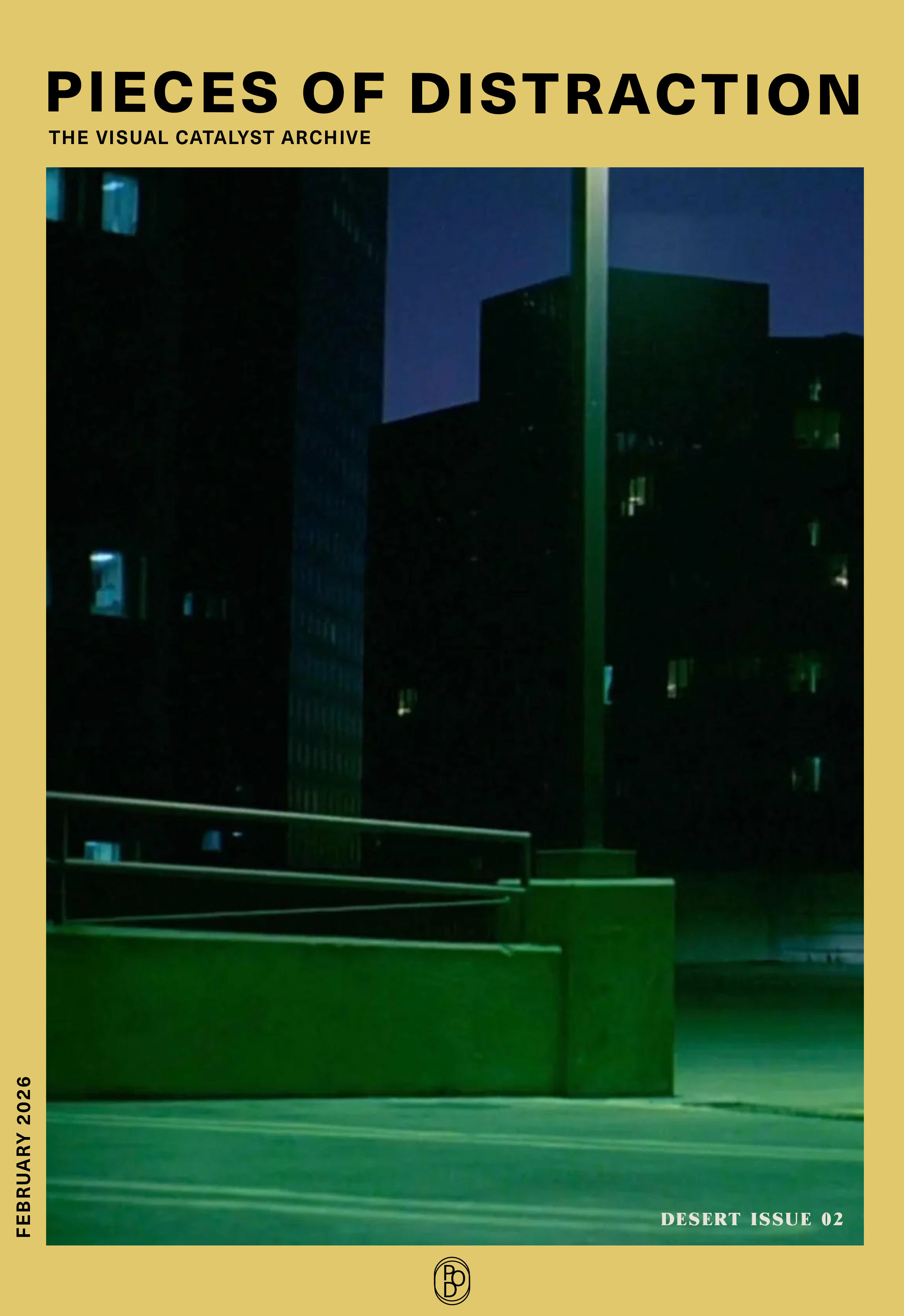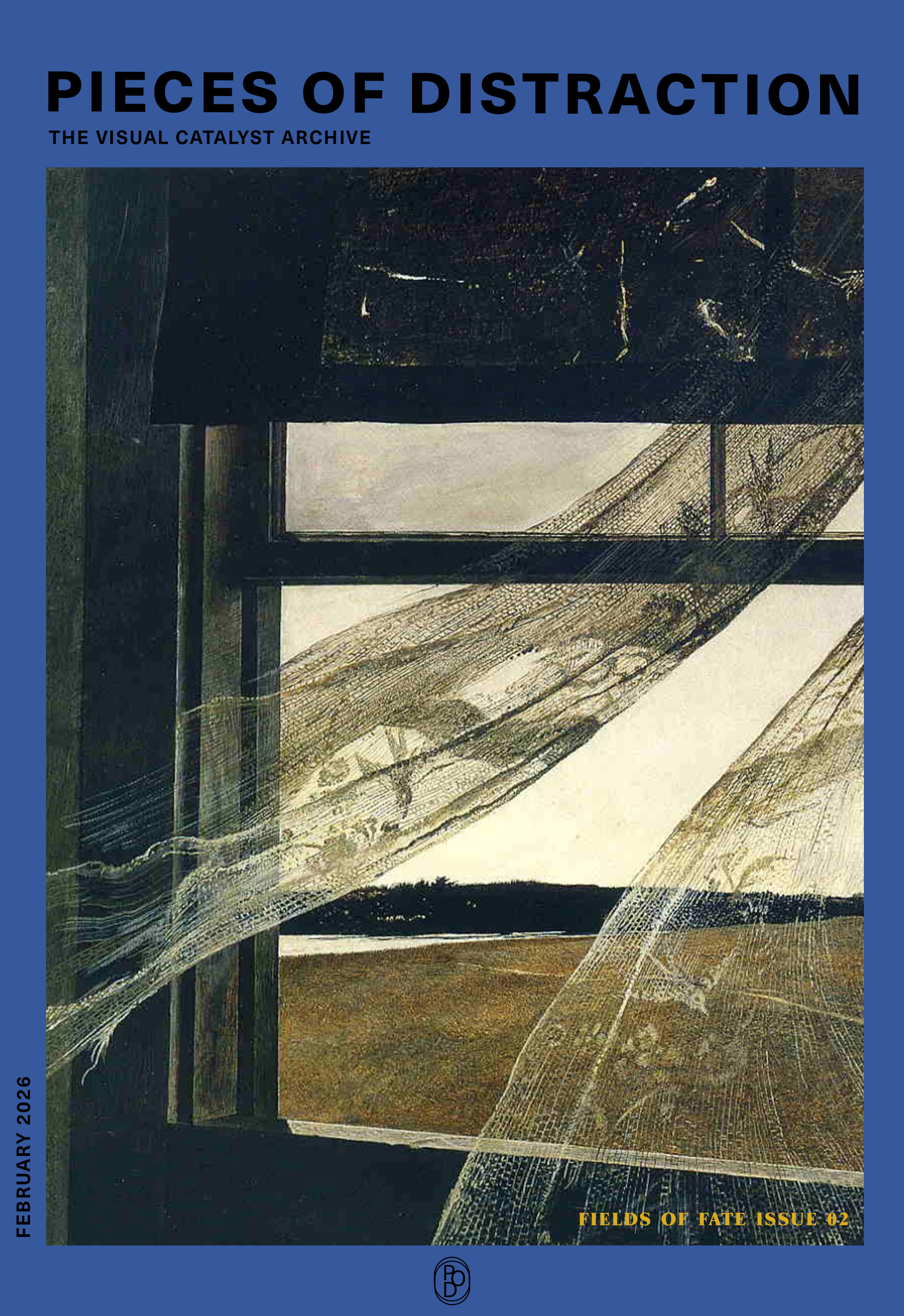
When you forbid something long enough, render it beautifully enough, it stops being a sin. It becomes a sacrament. Caravaggio knew this—working within sacred commissions, he made the body sensual and shocking through sheer visual honesty. Russell knew this—challenging institutional authority directly, he rendered possession and desire with such compositional mastery that suppression itself became irresistible and divine.
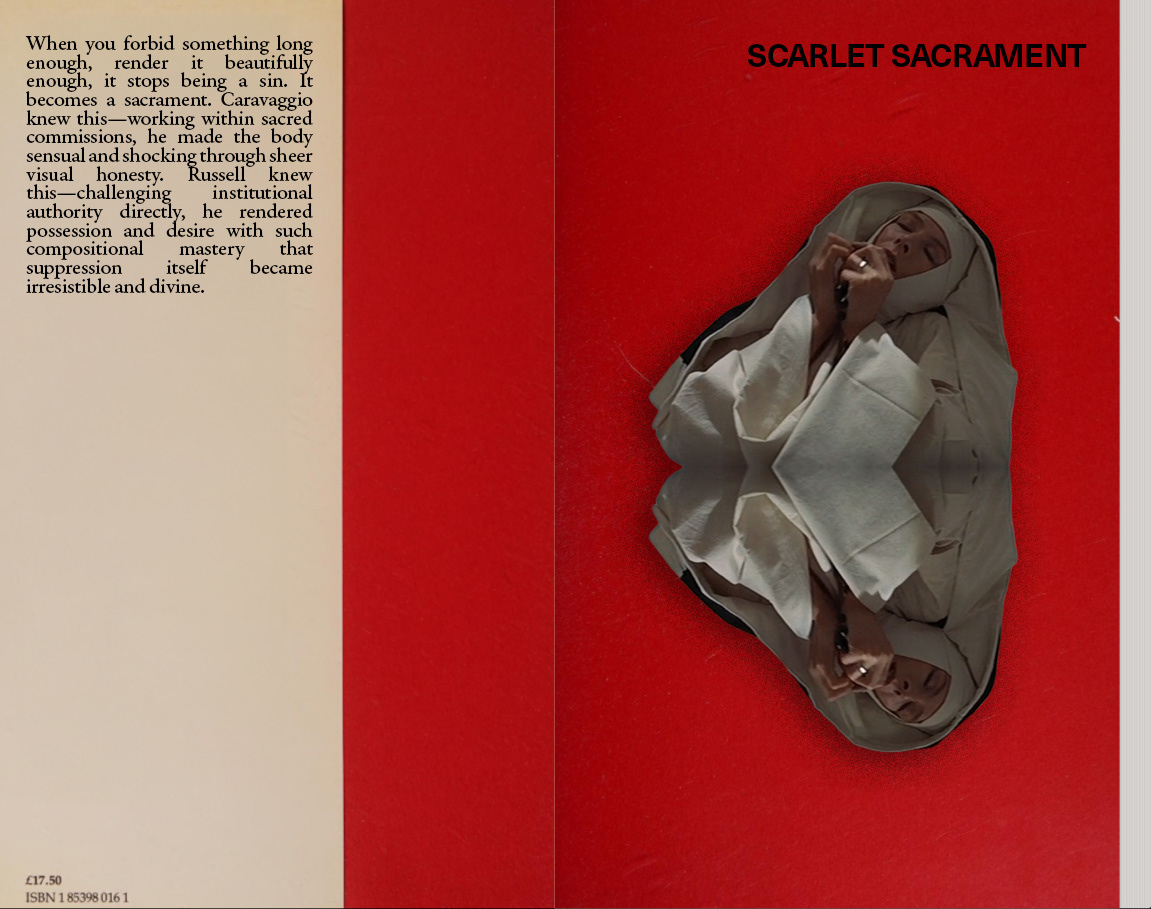
THE DEVILS
1971
Ken Russel
product design Derek Jarman
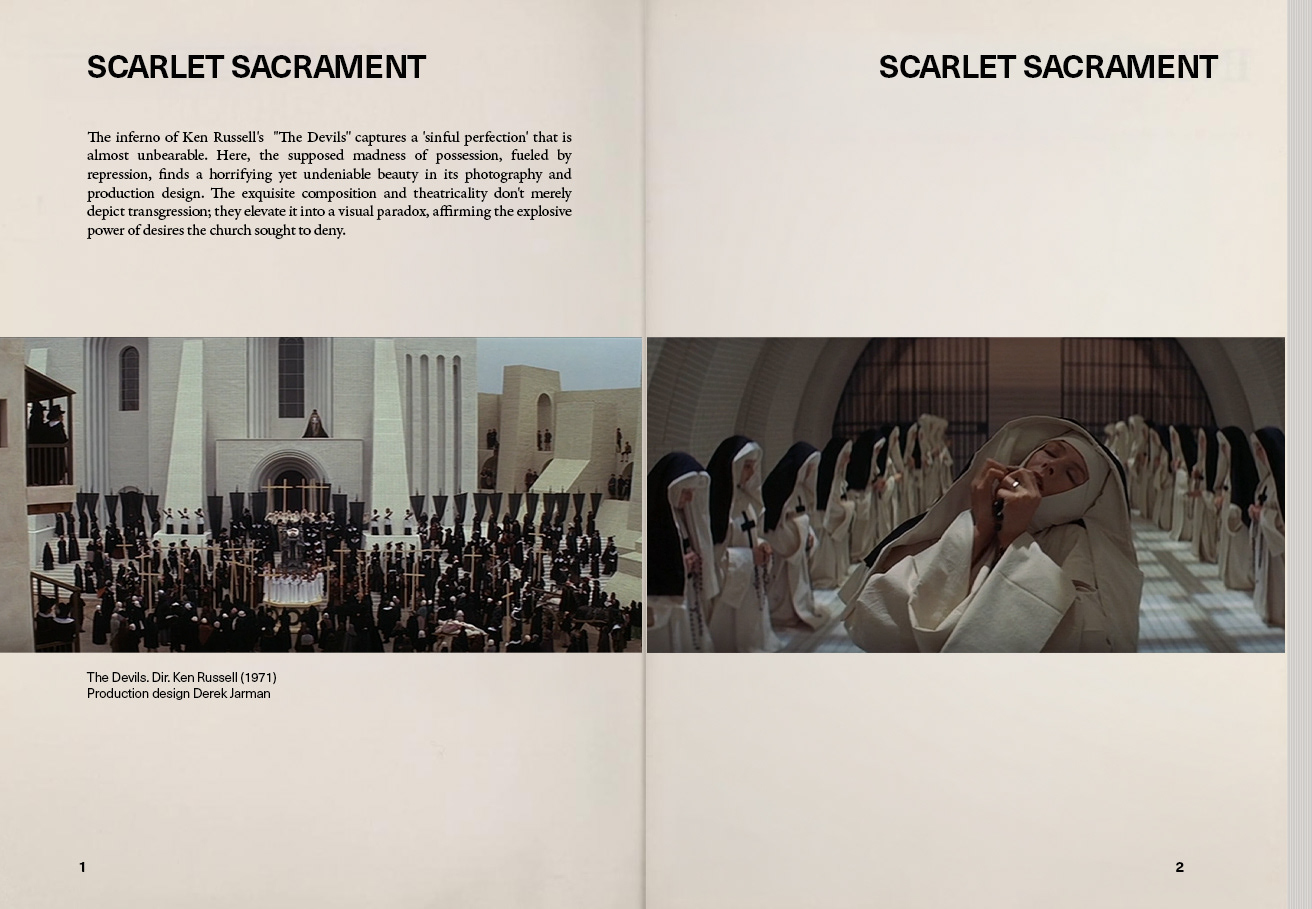
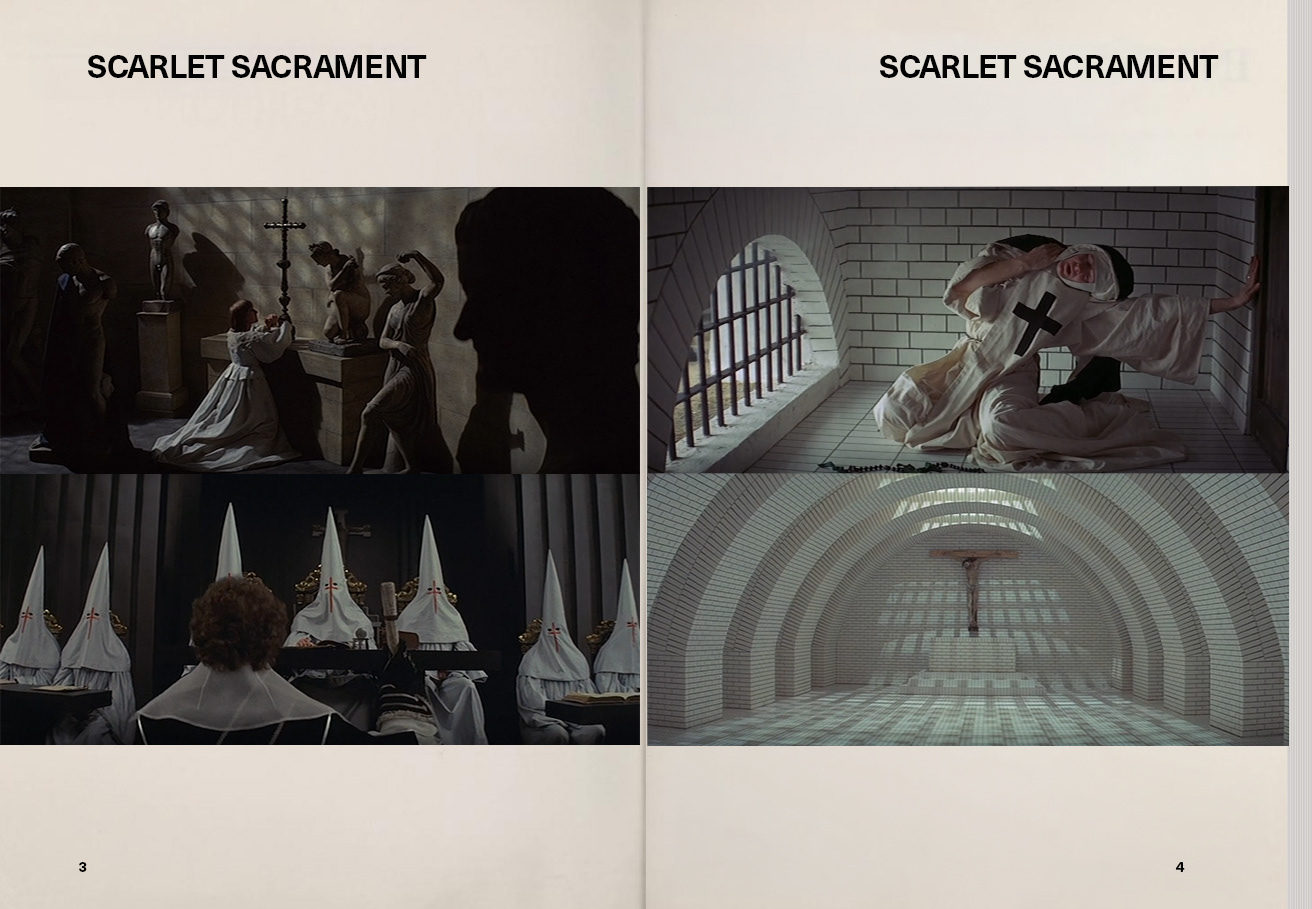
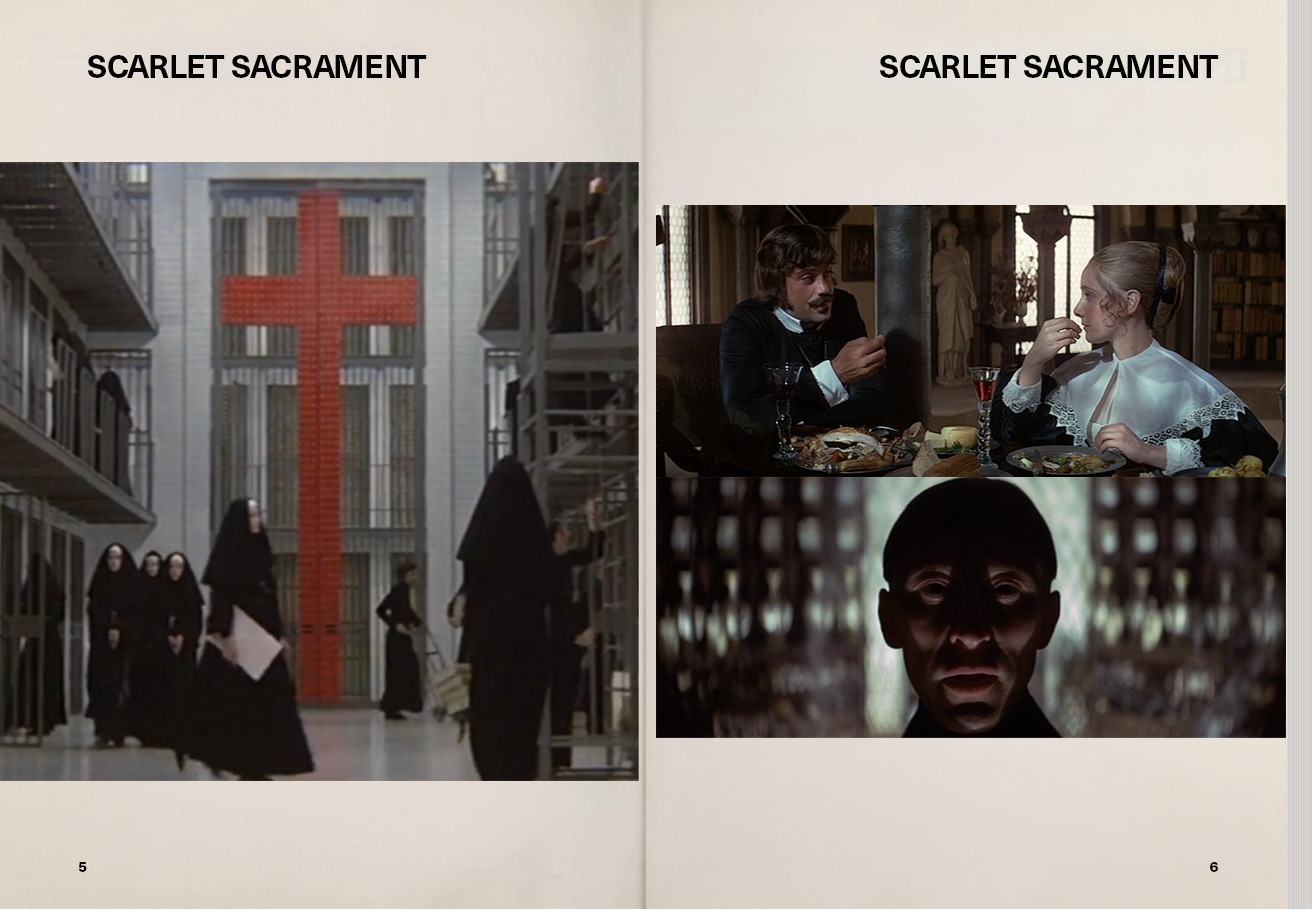
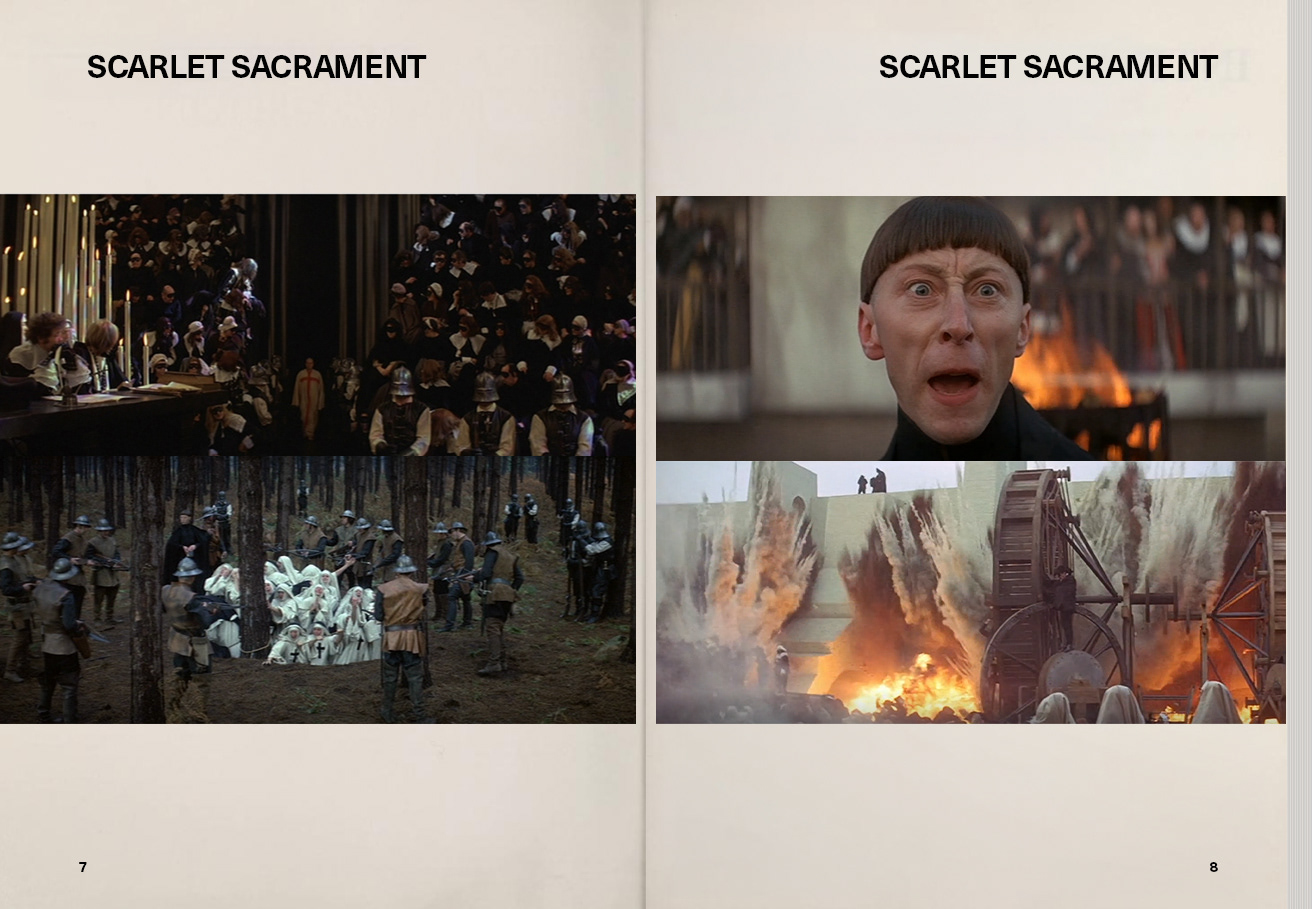
The inferno of Ken Russell's "The Devils" captures a 'sinful perfection' that is almost unbearable. Here, the supposed madness of possession, fueled by repression, finds a horrifying yet undeniable beauty in its photography and production design. The exquisite composition and theatricality don't merely depict transgression; they elevate it into a visual paradox, affirming the explosive power of desires the church sought to deny.
You can see the movie here
"The Devils is based on a true story set in France in 1634 about the evils of the union of church and state controlled by power-hungry, perverse men who prey on faith and fear..."
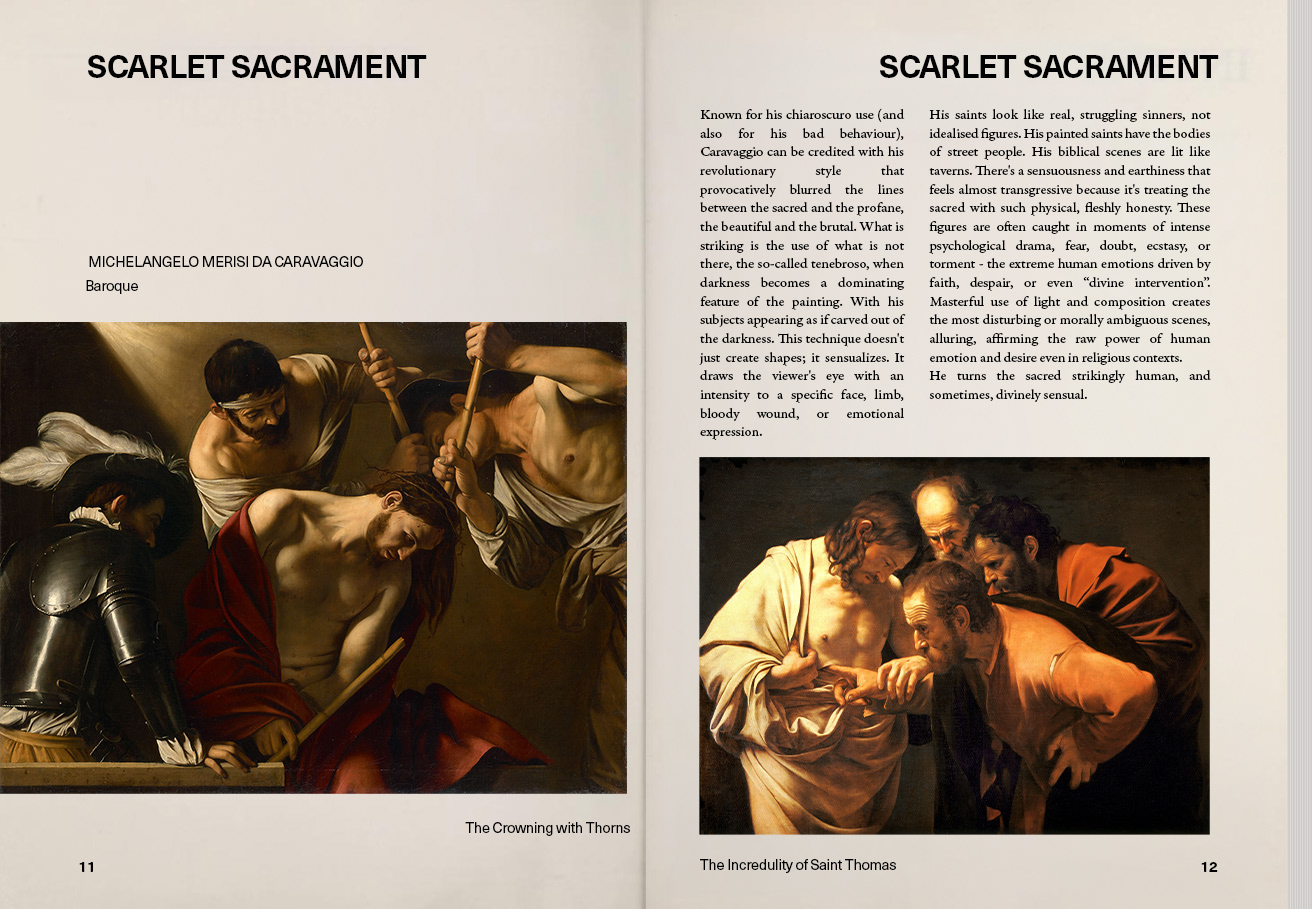
MICHELANGELO MERISI DA CARAVAGGIO
Baroque
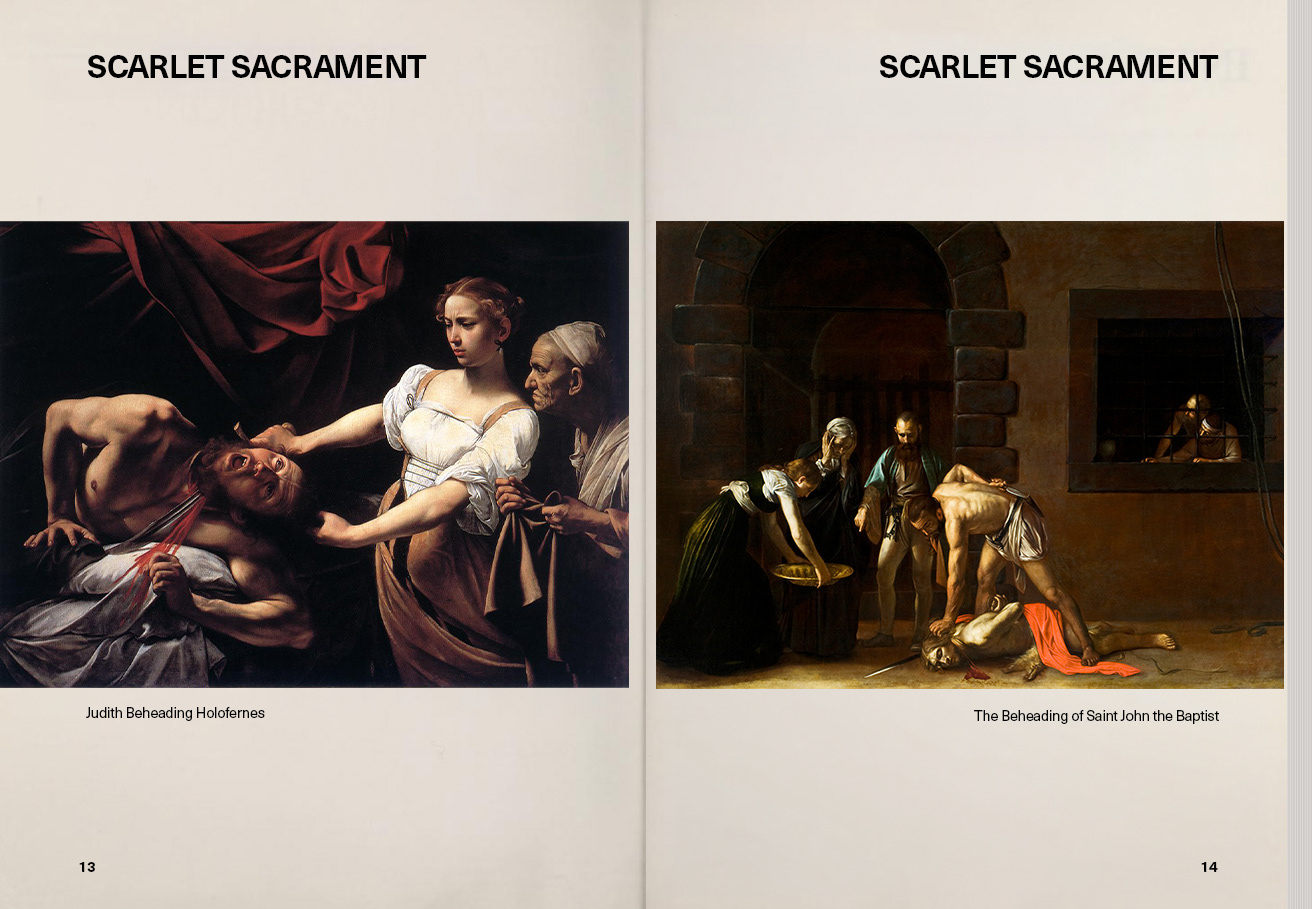
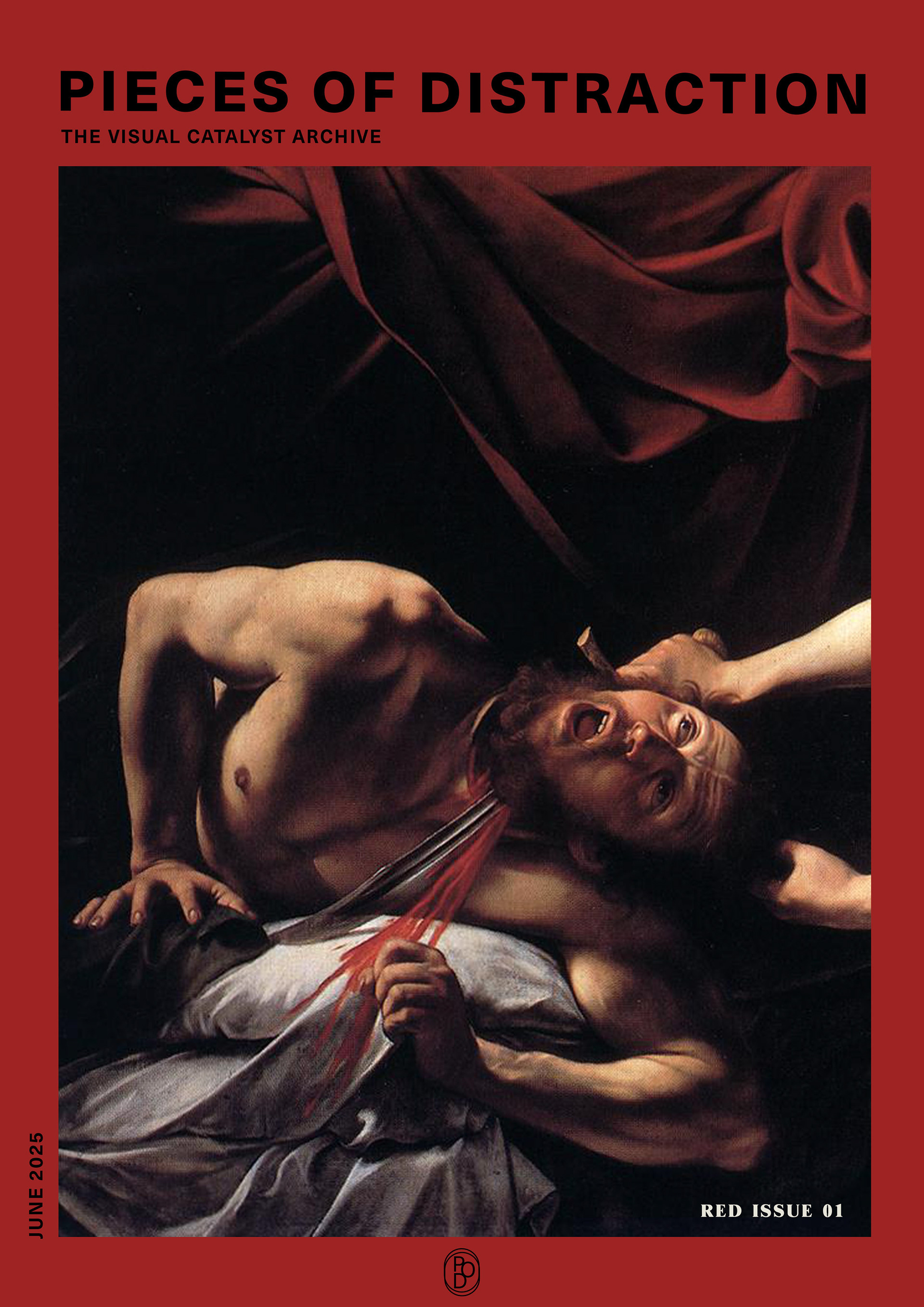
The Beheading of Saint John the Baptist
The Crowning with Thorns
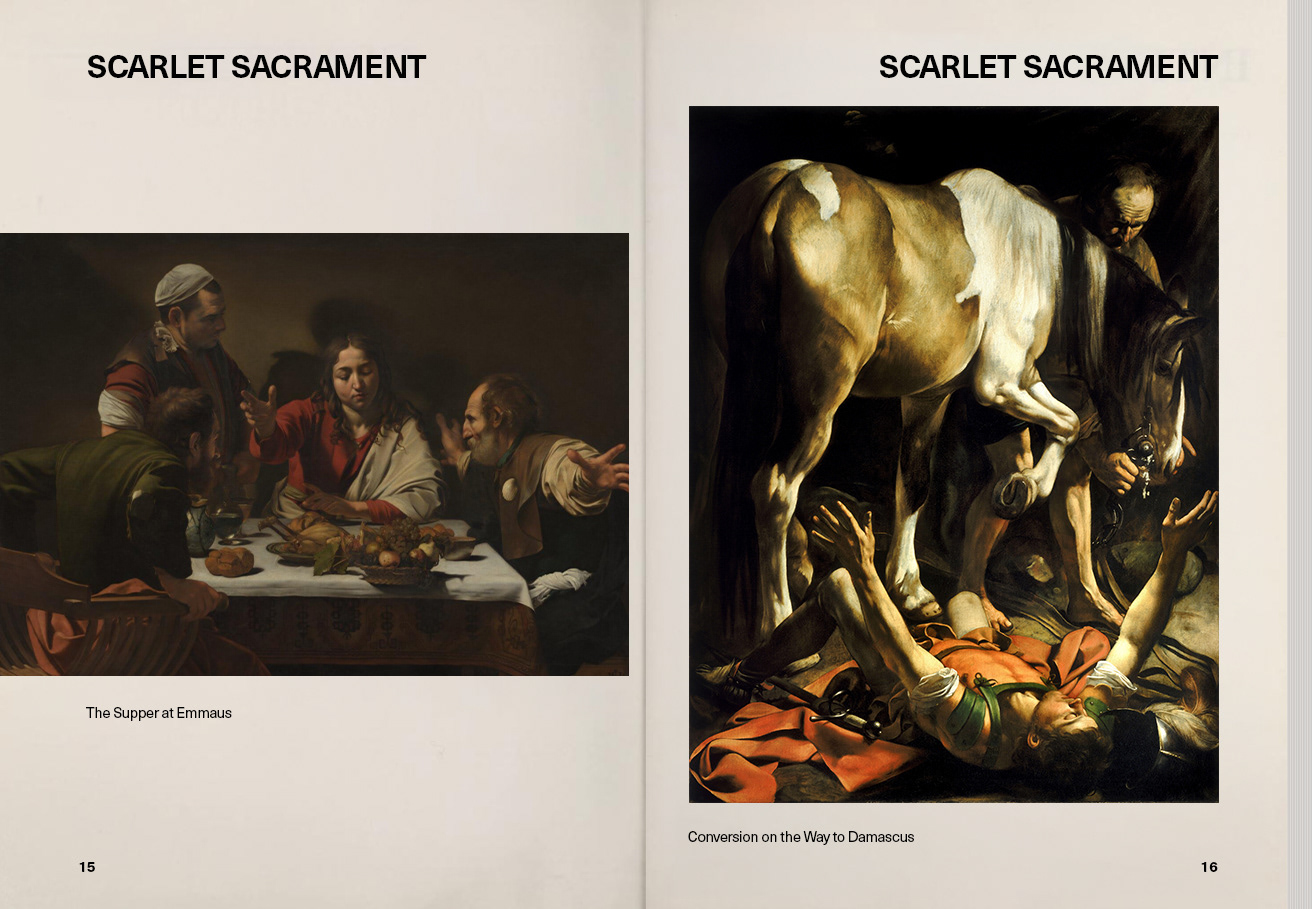
Conversion on the Way to Damascus
Known for his chiaroscuro use (and also for his bad behaviour), Caravaggio can be credited with his revolutionary style that provocatively blurred the lines between the sacred and the profane, the beautiful and the brutal. What is striking is the use of what is not there, the so-called tenebroso, when darkness becomes a dominating feature of the painting. With his subjects appearing as if carved out of the darkness. This technique doesn't just create shapes; it sensualizes. It draws the viewer's eye with an intensity to a specific face, limb, bloody wound, or emotional expression.
His saints look like real, struggling sinners, not idealised figures. His painted saints have the bodies of street people. His biblical scenes are lit like taverns. There's a sensuousness and earthiness that feels almost transgressive because it's treating the sacred with such physical, fleshly honesty. These figures are often caught in moments of intense psychological drama, fear, doubt, ecstasy, or torment - the extreme human emotions driven by faith, despair, or even “divine intervention”.
Masterful use of light and composition creates the most disturbing or morally ambiguous scenes, alluring, affirming the raw power of human emotion and desire even in religious contexts.
He turns the sacred strikingly human, and sometimes, divinely sensual.
The Supper at Emmaus
The Incredulity of Saint Thomas
Death of the Virgin
The Crucifixion of Saint Peter
Viewing recommendation:
Caravaggio , 1986 , Derek Jarman.